 Ketchup
 Mayonnaise
 Sandwich Spread
 Salad Dressings
 Speciality Sauces
 Desi Chutneys
 Mustard
 Jam
Jam
 Syrups
 Opera Crisps
 Hot Sauces


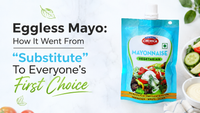
Stand in front of the condiment shelf long enough, and you'll notice something — half the mayo jars these days say "eggless" right on the label. That's not a marketing gimmick. It's a real shift in how people eat.
I used to think mayo without eggs would taste like a sad, watered-down version of the real thing. Turns out I was wrong. Done right, eggless mayonnaise is just as thick, tangy, and spreadable as the classic version. Sometimes better, honestly, because it doesn't carry that faint eggy smell some people can't stand.
So What Is It, Really?
At its core, mayonnaise is just an emulsion — oil and liquid forced together into something smooth and stable. Traditionally, egg yolk does the heavy lifting there. Eggless mayo swaps that out for something else: milk, soy milk, cornstarch, or even aquafaba, which is just the starchy liquid left over from a can of chickpeas (yes, really — it whips up almost like egg white).
In India specifically, this isn't some niche alternative for a small group of people. It's the default. A huge chunk of the population doesn't eat eggs, so brands here built their entire mayo business around the eggless version from day one. Ask any home cook and they'll probably tell you they've never touched egg-based mayo in their life.
Why People Actually Switch to It
It's not just one reason — usually a mix of a few.
Religious or cultural food habits. A lot of vegetarians simply don't eat anything that came from an egg, full stop. Eggless mayo means they're not left out of the sandwich-and-salad party.
Allergies. Egg allergy is one of the more common ones, especially in kids. For a parent packing school lunches, an eggless option isn't a preference — it's a necessity.
Cholesterol. Egg yolks carry a fair bit of cholesterol. Swap them for plant oils and starch, and suddenly the same sandwich spread feels a lot lighter on your heart.
It keeps longer. No raw egg means less worry about spoilage or salmonella — something that's a genuine risk with old-school homemade mayo left out on the counter too long.
Often vegan too. Not always, but a lot of eggless recipes skip dairy as well, which makes them work for basically anyone's diet.
The Science Bit (Kept Short, Promise)
Every mayo, egg or no egg, depends on emulsification — forcing oil and liquid to hold together instead of separating. Egg yolk normally does this because of lecithin. Take the egg out, and something else has to step up:
- Milk or soy milk — the protein grabs onto both the oil and the liquid and holds them together
- Cornstarch or flour — thickens things up, gives that body you expect from mayo
- Mustard — not just for flavor, it's actually a decent natural stabilizer too
- Aquafaba — chickpea can liquid. Sounds odd, works surprisingly well, vegan cooks swear by it
None of this needs a chemistry degree, by the way. A regular blender does the job in about five minutes.
Making It At Home — Honestly Not Hard
I'll be upfront: the first time I tried this, I expected it to break (mayo splitting is a real thing). It didn't. Here's roughly what works:
- Pour ½ cup milk (soy milk if you want it vegan) into a blender with 1 tbsp mustard and 1 tbsp vinegar or lemon juice.
- Give it a quick blend, just to combine.
- Turn the blender on low and slowly, slowly drizzle in 1 cup of a neutral oil — sunflower or canola both work fine.
- Keep blending till it thickens up and starts looking like actual mayo.
- Salt and pepper to taste. Into the fridge it goes.
Stored in an airtight jar, it'll hold up for about a week. Not bad for five minutes of effort.
Store-Bought or Homemade?
Honestly, depends on your day. If you're rushing out the door every morning, a jar off the shelf is just easier — consistent, no cleanup, always there. But if you've got ten spare minutes and care about what's actually in your food, homemade wins. No preservatives, no mystery stabilizers, and you can tweak the tang exactly how you like it.
Questions People Keep Asking
Does it actually taste like real mayo? Pretty much, yes. Close enough that most people can't tell in a blind taste test. Texture can be a touch lighter depending on which emulsifier a brand uses, but the tang and creaminess are all there.
Is it automatically vegan? Not always — check the label first. Some eggless mayo still uses dairy milk. If vegan matters to you, look for one made with soy or plant milk specifically.
Can I cook or bake with it? Yeah, works fine. Salad dressings, dips, sandwich spreads — all good. People even use it in cake batter for extra moisture, which sounds strange until you try it.
How long does it stay good? Unopened jars from the store can last months. Once opened, a few weeks in the fridge. Homemade is more delicate — use it up within a week.
Bottom Line
For a huge number of people, eggless mayo was never a "substitute" to begin with — it's just what mayo has always meant to them. It's creamy, it's tangy, it does everything you want a spread to do, and it fits into vegetarian, allergy-aware, and health-conscious kitchens without any awkward compromises.
Next time you're throwing together a sandwich or need a quick dip, give it a shot. Chances are your taste buds won't even flag the difference — but your body, and your dietary needs, definitely will.